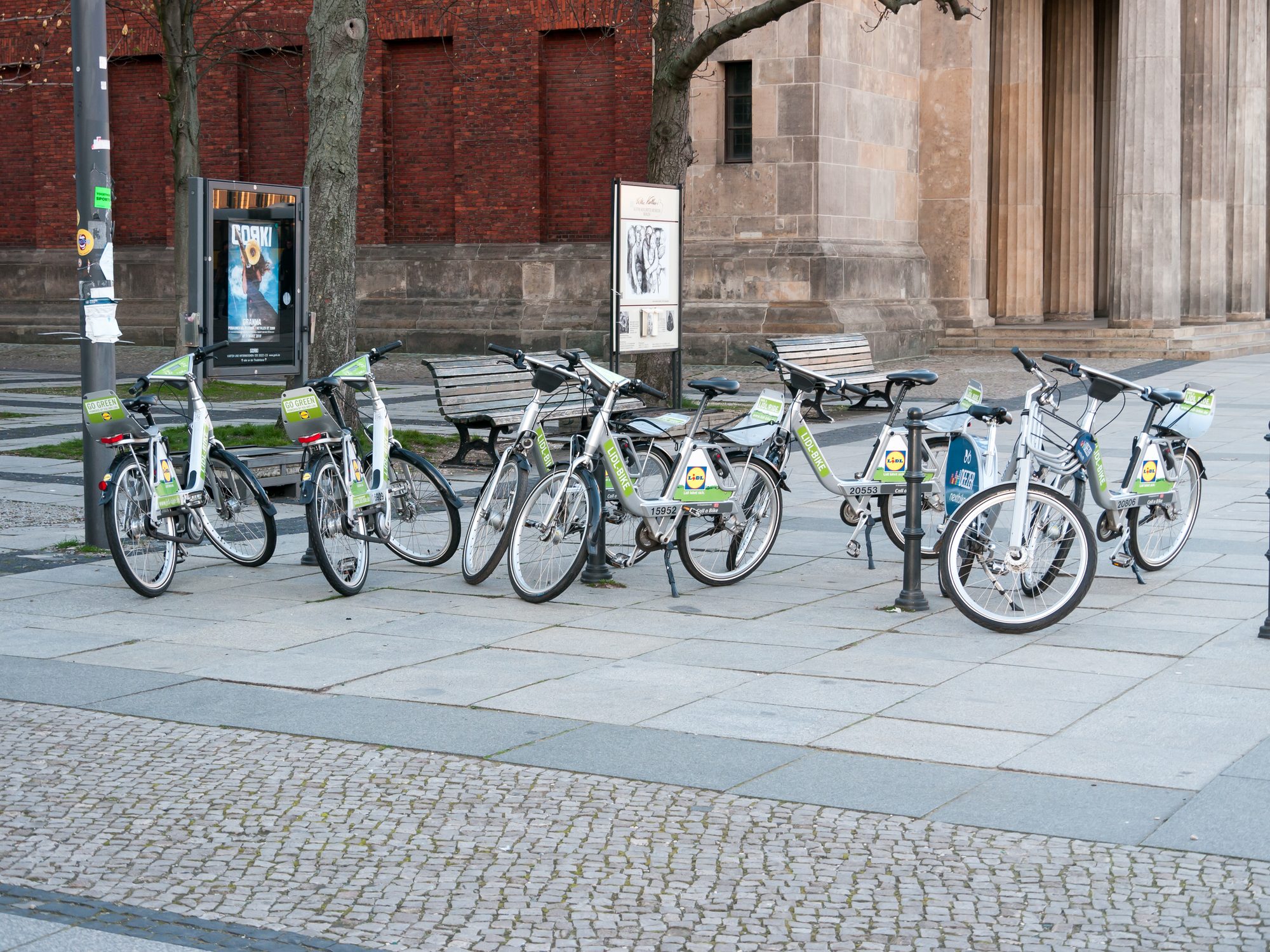
More than 250 fatal or serious micromobility accidents happen each year across the South Bay, and a new regional plan aims to bring that number down.
The South Bay Cities Council of Governments (SBCCOG) announced its Micromobility Safety Action Plan (MSAP) on Tuesday, Sept. 8, funded by a federal Safe Streets and Roads for All (SS4A) grant from the U.S. Department of Transportation. The plan targets e-bike, scooter and low-speed vehicle crashes through intersection safety audits, a school sticker program and community ride events.
An analysis using UC Berkeley's Transportation Injury Mapping System found that when riders are at fault, the top violations are riding on the wrong side of the street (28%), ignoring a signal or stop sign (26%) and traveling at unsafe speed (18%).
School e-bike sticker program
Gov. Gavin Newsom signed Assembly Bill 1569 in late August, requiring the California Department of Education, in consultation with the California Highway Patrol, to develop a standardized e-bike safety training program for students in grades 7 through 12. ABC10 reported on the new law Aug. 28.
The SBCCOG plans to build on that law locally. Through the SS4A grant, the agency will meet with school districts, police departments, PTAs and local e-bike safety groups to create a regional safety sticker program. Students would need to complete a certified safety course before parking bikes or scooters at school. Materials are expected to be available for schools by fall 2027.
Intersection safety audit
Using SS4A and South Bay Measure M funds, the SBCCOG will also conduct a safety intersection analysis of high-injury corridors across the region. The agency said it will produce a catalog of recommended improvements and conceptual designs for high-risk intersections, which individual cities can then adopt.
Local Travel Network expanding
The plan builds on the SBCCOG's Local Travel Network (LTN), a system of low-speed streets marked with "rolling turtle" signage for e-bikes, scooters and neighborhood electric vehicles. The LTN launched in El Segundo in 2023 and is now expanding to Redondo Beach. Lomita is next, expected in 2027, with Carson and Lawndale to follow.
The SBCCOG allocated $2.2 million in Measure M funds to Redondo Beach for the North Redondo Beach Bikeway extension, one of two LTN-related projects in the city.
"We see micromobility as a missing middle mode that can accomplish most of people's daily travel for commutes, errands, grocery runs, school drop-off and pick up, and it's zero-emission," Anne Tsai, senior project coordinator for transportation programs at the SBCCOG, said in the announcement.
SBCCOG research found that 70% of South Bay trips are 3 miles or less.
Ride and Drive event Oct. 6
The SBCCOG held its first Micromobility Ride and Drive in August at Lomita's National Night Out, partnering with vendors and safety groups including Beach Cities Health District and the South Bay Bicycle Coalition. The next event is scheduled for Tuesday, Oct. 6, at California State University, Dominguez Hills. Details will be posted to the SBCCOG's online calendar.