A $1.6 million state grant will fund a new biodiversity plan covering all 16 South Bay Cities Council of Governments member cities, including Manhattan Beach, Hermosa Beach, Redondo Beach, El Segundo, and Hawthorne, with the goal of restoring native plant habitat on public land from parkways to street medians.
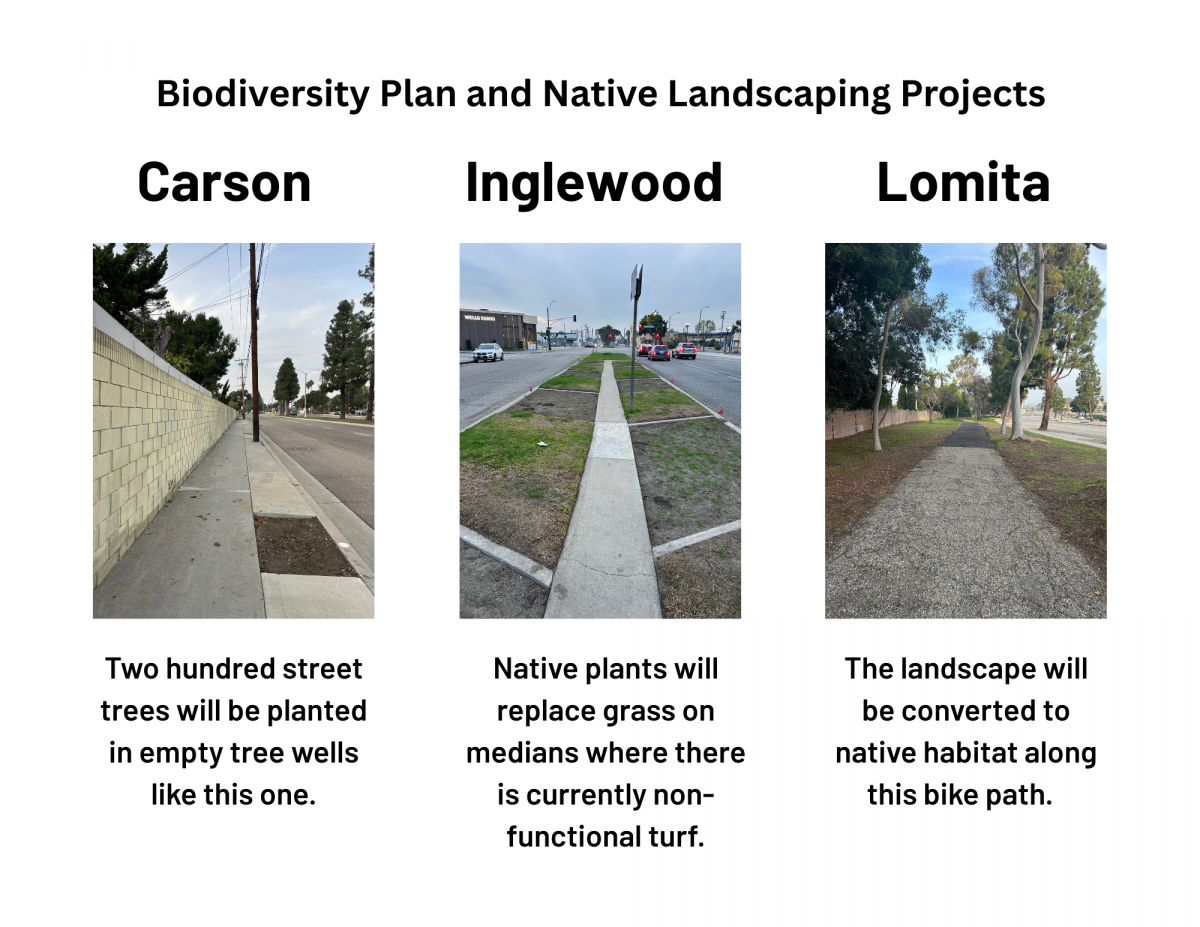
The SBCCOG announced July 22 that it received the Proposition 68 funding through the San Gabriel and Lower Los Angeles Rivers and Mountains Conservancy. The money will support both the regional plan and three pilot native-landscaping projects in Carson, Inglewood, and Lomita through 2029.
"The South Bay is part of the California Floristic Province, a globally recognized biodiversity hotspot, but many of our native habitats are increasingly threatened by climate change, invasive species and urban development," said Shawn Fujioka, project coordinator for the SBCCOG.
The biodiversity plan will evaluate municipally owned properties to identify where cities can expand habitat connectivity between natural areas, according to the SBCCOG. Recommendations will target water conservation, stormwater capture, heat mitigation, and pollinator habitat restoration. The plan covers sites across all 16 member cities, meaning Manhattan Beach medians and Hermosa Beach parkways are on the table alongside inland corridors.
What the pilot projects look like
The three demonstration sites focus on disadvantaged communities identified by CalEnviroScreen 4.0:
- Carson: 200 new street trees to increase shade, reduce urban heat-island effect, and expand native habitat.
- Inglewood: A landscape conversion along Hillcrest Boulevard, replacing nonfunctional turf with native plants.
- Lomita: A conversion along the Palos Verdes Drive North bicycle path to improve water conservation and access to green space.
The Carson and Inglewood sites sit within disadvantaged communities as defined by CalEnviroScreen 4.0. The Lomita project borders one.
Community outreach planned
The SBCCOG plans native landscaping workshops, educational signage, and community engagement at public events across the South Bay throughout the project period, though specific dates and locations have not been announced. The agency will coordinate outreach with West Basin Municipal Water District, Water Replenishment District, and Los Angeles County.
Local colleges, nonprofits, community-based organizations, and tribal partners will contribute technical expertise to the plan's development, according to the SBCCOG.
The work builds on the agency's 2019 South Bay Adaptation Plan, which flagged the need to educate cities and residents about native species and regional biodiversity protection. Fujioka said the grant allows the 16 member cities to coordinate habitat restoration rather than working in isolation.
Residents can contact the SBCCOG at 310-371-7222 or visit southbaycities.org for updates on upcoming engagement opportunities.