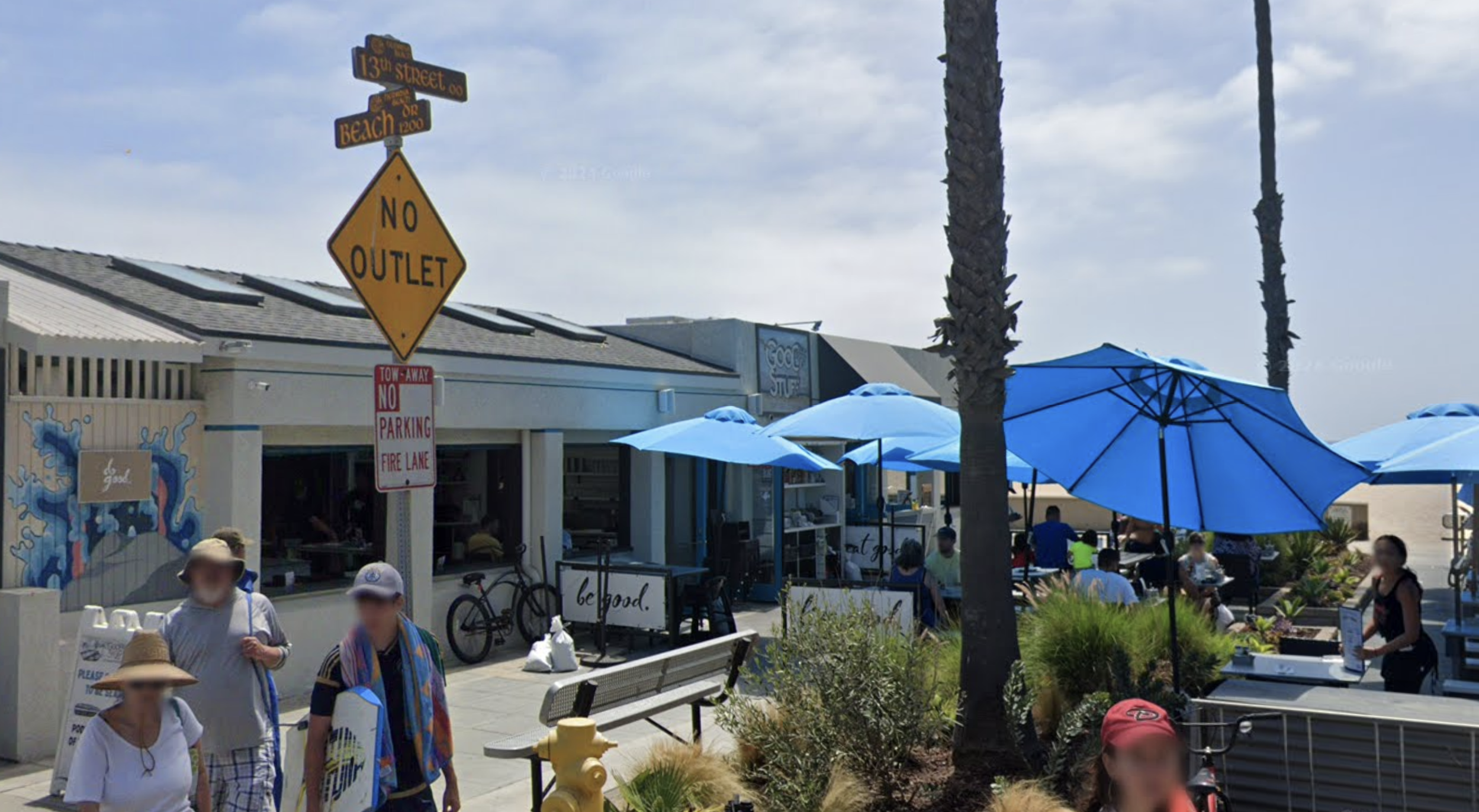
Waves of 5 to 8 feet will pound Manhattan Beach, Hermosa Beach, and Redondo Beach starting Sunday evening, as a southerly swell from Tropical Storm Elida pushes dangerous surf into the South Bay through Tuesday night.
The National Weather Service Los Angeles/Oxnard issued a high surf advisory covering Los Angeles County beaches from 5 p.m. Sunday, July 19, through 11 p.m. PDT Tuesday, July 21. The 54-hour window spans the entire Monday beach day and all of Tuesday afternoon.
South-facing beaches will catch the brunt of it. The NWS said the highest surf will be focused on south-facing shorelines because the swell is tracking north from Elida, which formed in the Eastern Pacific well offshore of Mexico and was the fifth named storm of the 2026 season.
What the advisory means
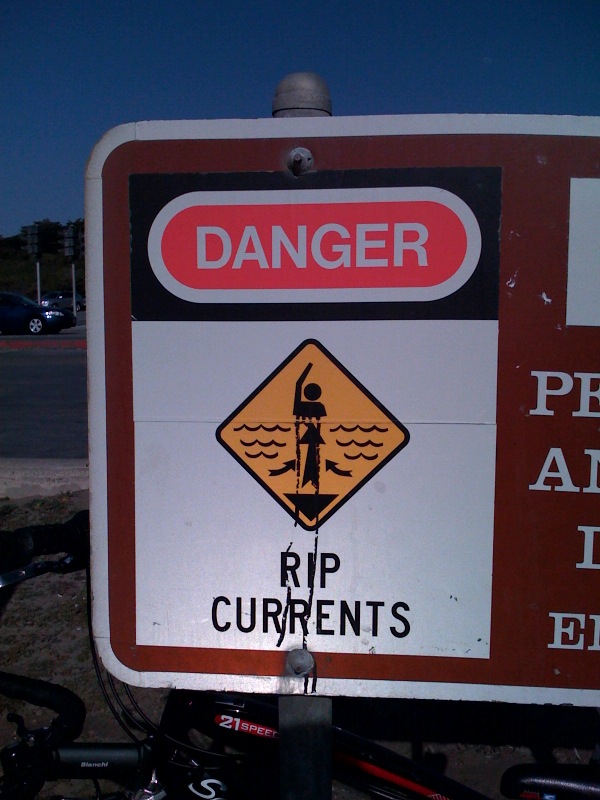
A high surf advisory sits one step below a high surf warning, the NWS's most serious coastal alert. Under advisory conditions, the agency warns of an increased risk of ocean drowning, rip currents strong enough to pull swimmers and surfers out to sea, and breaking waves capable of causing injury or washing people off rocks and jetties.
The NWS preparedness guidance is blunt: stay out of the water entirely, or remain near occupied lifeguard towers. Rock jetties, the agency warned, "can be deadly in such conditions."
For surfers heading out
A south swell can produce quality waves along the Strand, but the NWS advisory carries real weight. Rip currents during elevated surf are unpredictable, and the combination of size and current makes even familiar breaks more hazardous.
Anyone paddling out during the advisory window should check for warning flags at staffed towers before entering the water. The NWS recommends surfers who do enter the water stay within sight of an occupied tower.
The storm behind the swell
Tropical Storm Elida formed in the Eastern Pacific around Wednesday, July 15, with maximum sustained winds near 40 mph. The National Hurricane Center's forecast as of that Wednesday called for strengthening to hurricane status by Thursday, July 17. The NWS advisory, issued Saturday, July 18, still referred to the system as Tropical Storm Elida. The swell it generated is en route to Southern California regardless of the storm's current classification.
What's next
The advisory expires at 11 p.m. PDT Tuesday, July 21. Conditions should ease into Wednesday as the swell energy passes through. Until then, check NWS forecasts before heading to the water, and look for lifeguard flag conditions at your local tower.