Manhattan Beach, Hermosa Beach, and Redondo Beach officials joined LA County agencies on Monday, June 8, for the third regional meeting on the domoic acid crisis that has been stranding sick and dying sea lions and dolphins on South Bay beaches since February 2025. It was the first of the three convenings held in person; the prior two, in June and December 2025, were virtual.
The meeting's results were detailed in a report submitted Wednesday, July 8, to the LA County Board of Supervisors by Gary Jones, director of the Department of Beaches and Harbors.
Why it matters
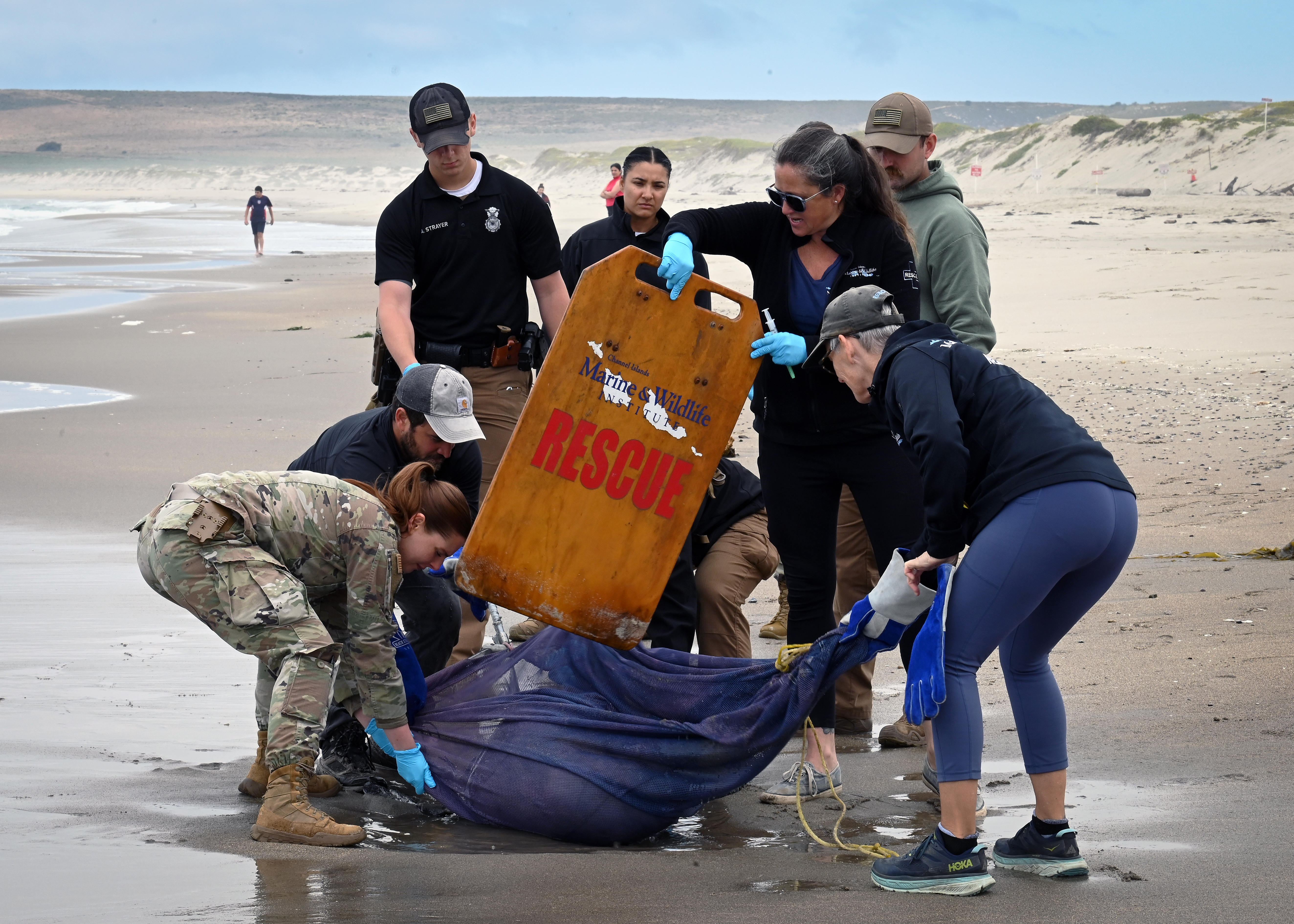
The 2025 domoic acid bloom was the worst in recorded history, according to the Marine Mammal Care Center. In the first five months of that year alone, MMCC responded to more than 550 sea lions and dolphins, nearly doubling its annual budget capacity of 300 animals.
Domoic acid is a neurotoxin produced by harmful algal blooms that causes seizures, disorientation, aggressive behavior, and death in marine mammals. Stranded animals also pose direct public health risks: in 2024, a sea lion found sick on Hermosa Beach was treated by MMCC for leptospirosis, a bacterial infection that can spread to humans and dogs through contact.
As the crisis escalated in June 2025, MMCC CEO John Warner said in a press release: "You don't wait until there's a fire to build the fire station. The same is true for environmental emergencies, especially those with major implications for public safety, public health, and animal welfare."
Who was in the room
Redondo Beach Mayor Jim Light attended the June 8 meeting, along with Supervisor Holly J. Mitchell, representatives from the offices of Supervisors Lindsey P. Horvath and Janice Hahn, LA County Fire's Lifeguard Division, LA County Public Health, the California Wildlife Center, Heal the Bay, and MMCC.
Mitchell opened the meeting by stressing that local cities need to contribute financially to beach safety efforts for both humans and marine mammals, not just rely on county-level coordination, according to the report.
What's changed since December
The report lists four actions taken since the second meeting in December 2025:
- A two-year funding agreement for marine mammal services on county-owned beaches was executed. The dollar amount was not disclosed.
- A public education campaign with MMCC was expanded to help residents report stranded animals and avoid approaching them.
- The Board proclaimed Monday, April 27, 2026, as Marine Mammal Rescue Day.
- Beaches and Harbors launched its Coastal Partners Pledge Program, asking organizations to commit to coordinated response during stranding events.
Emerging threats
Panel experts at the June 8 meeting also discussed climate-driven prey shifts, Highly Pathogenic Avian Influenza, ongoing runoff, and pollution as emerging risks. Attendees asked about avian influenza specifically; panelists explained it spreads through fecal contamination from wild birds and directed residents with bird-related concerns to contact their local animal control office.
What's next
The next meeting is scheduled for September 2026, according to the report. Beaches and Harbors will continue developing a coordinated response toolkit for partner agencies to use during stranding events.
MMCC is the only NOAA-authorized organization responding to marine mammals year-round along the entire LA County coastline. Residents who encounter a stranded or distressed marine mammal should call MMCC's rescue hotline rather than approach the animal.