SpaceX pushed the launch of its Starship Flight 14 from Sept. 22 to Sept. 28, the Hawthorne-based company said on X on Thursday, Sept. 17.
The six-day delay keeps the mission pending regulatory approval. SpaceX gave no reason.
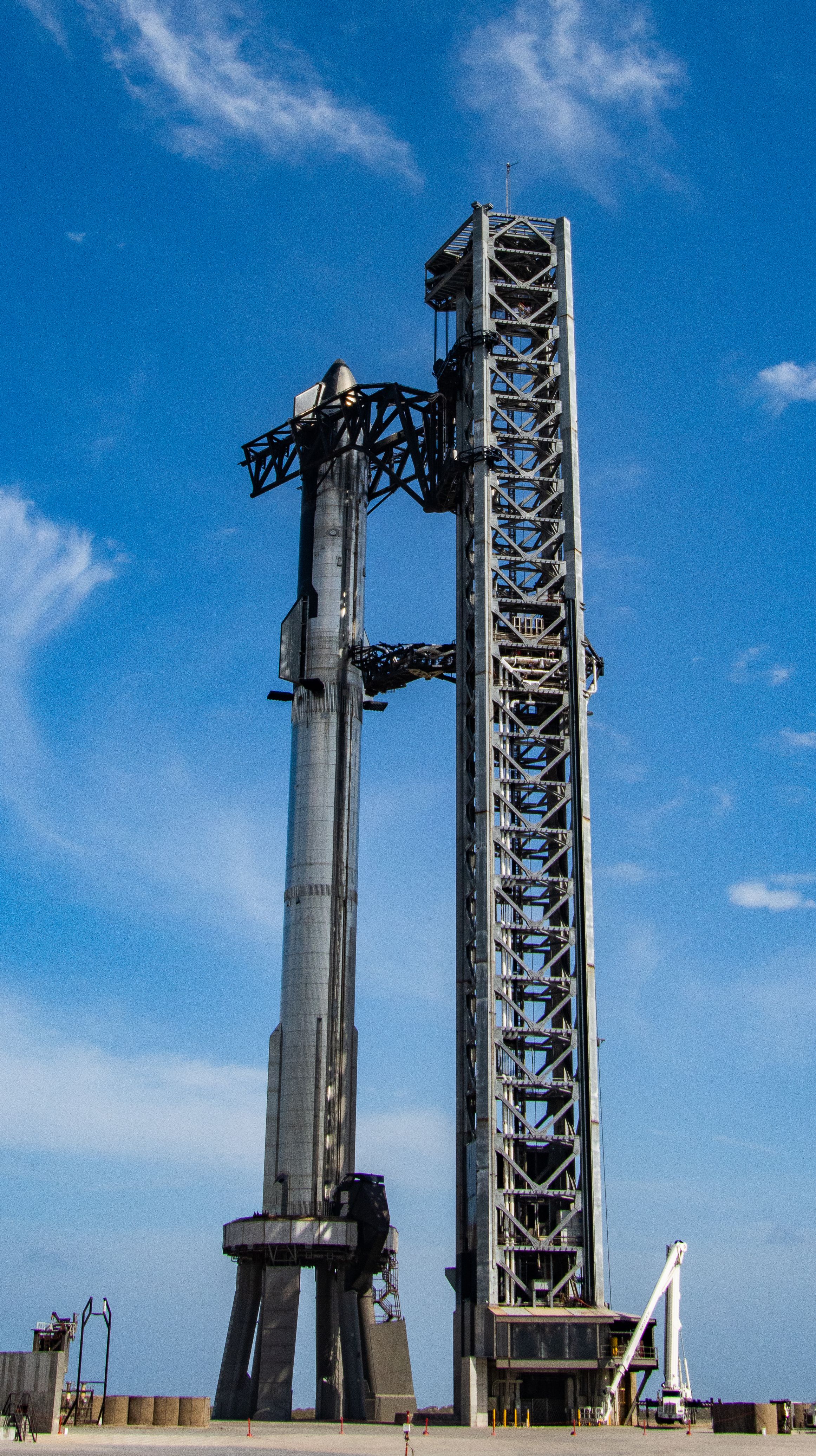
Flight 14 is a landmark for the company's Starship program, engineered at SpaceX's Hawthorne headquarters. The mission would mark Starship's first orbital flight and its first revenue-generating trip, according to Investor's Business Daily. SpaceX Chief Financial Officer Bret Johnsen called it a major milestone at a Goldman Sachs conference, IBD reported.
All 13 prior Starship test flights were suborbital. This time, Ship 41 is expected to complete roughly six orbits at about 275 kilometers altitude over a nearly 10-hour flight before splashing down in the Pacific Ocean west of Chile, according to Tesla Oracle.
The rocket will carry 26 Starlink V3 satellites, the first operational deployment of the larger next-generation internet satellites. Each V3 satellite adds about 1 terabit per second of network capacity, roughly 10 times what a V2 Mini satellite delivers on a Falcon 9 launch. The V3 satellites are too large to fit inside a Falcon 9 fairing, making Starship the only SpaceX vehicle that can carry them.
Three of the 26 satellites have been outfitted with cameras to photograph Starship's heat shield after deployment, providing data for future missions, Tesla Oracle reported.
SpaceX will not attempt a tower catch of either vehicle on this flight. Super Heavy Booster 21 will target a controlled splashdown in the Gulf of Mexico.
CEO Elon Musk told the All-In Summit in Los Angeles on Sept. 15 that Flight 14 is the final test before a ship-catch attempt, TeslaNorth reported. "So if this flight goes well, then on flight 15 we will try to catch the ship," Musk said, putting the odds of success at roughly 50 to 60 percent.
The 75-minute launch window on Sept. 28 opens at 8:15 a.m. ET from SpaceX's Starbase complex in South Texas, IBD reported, citing the company's mission briefing page. The launch still requires regulatory sign-off, and no backup date has been announced if the timeline slips again.