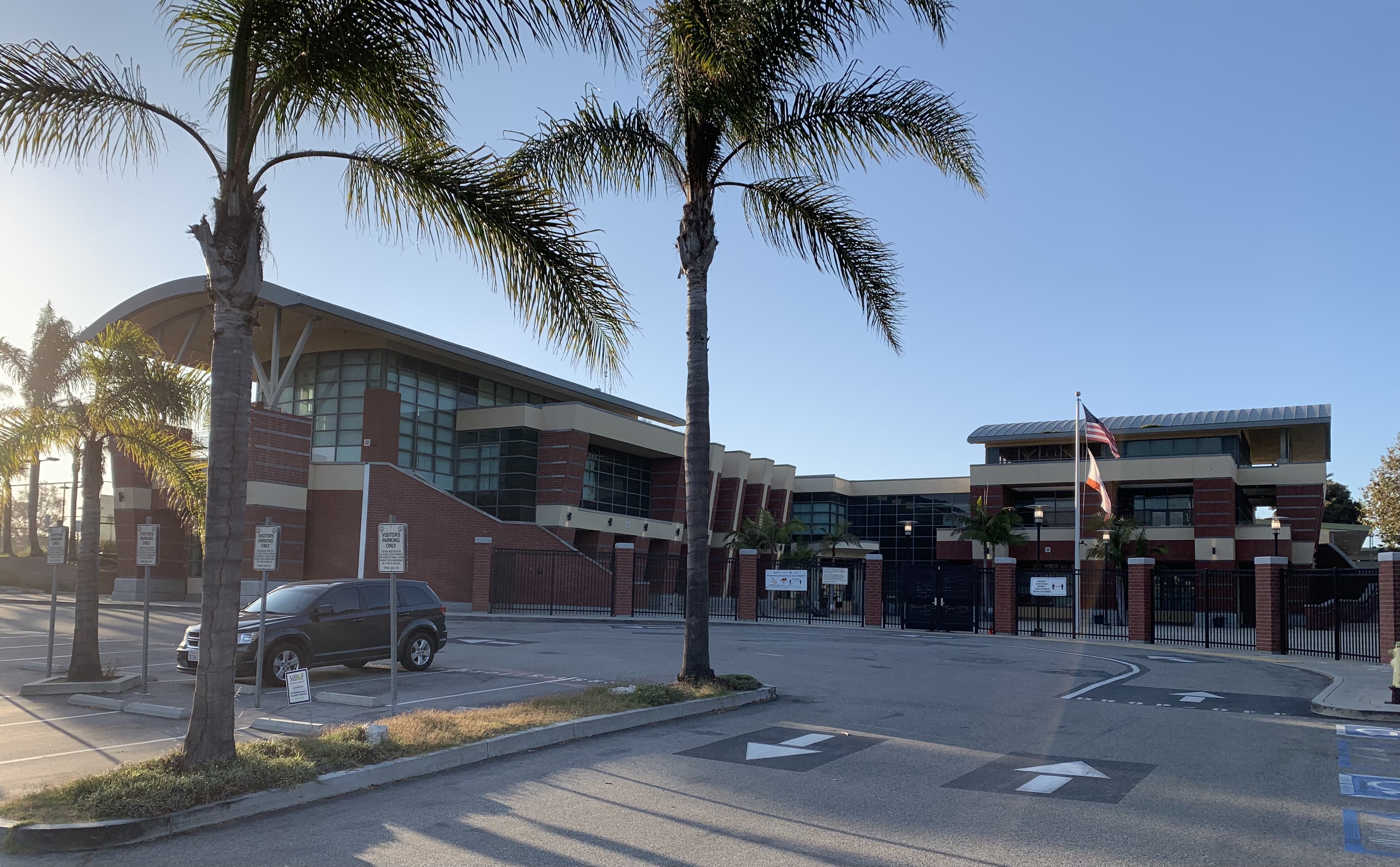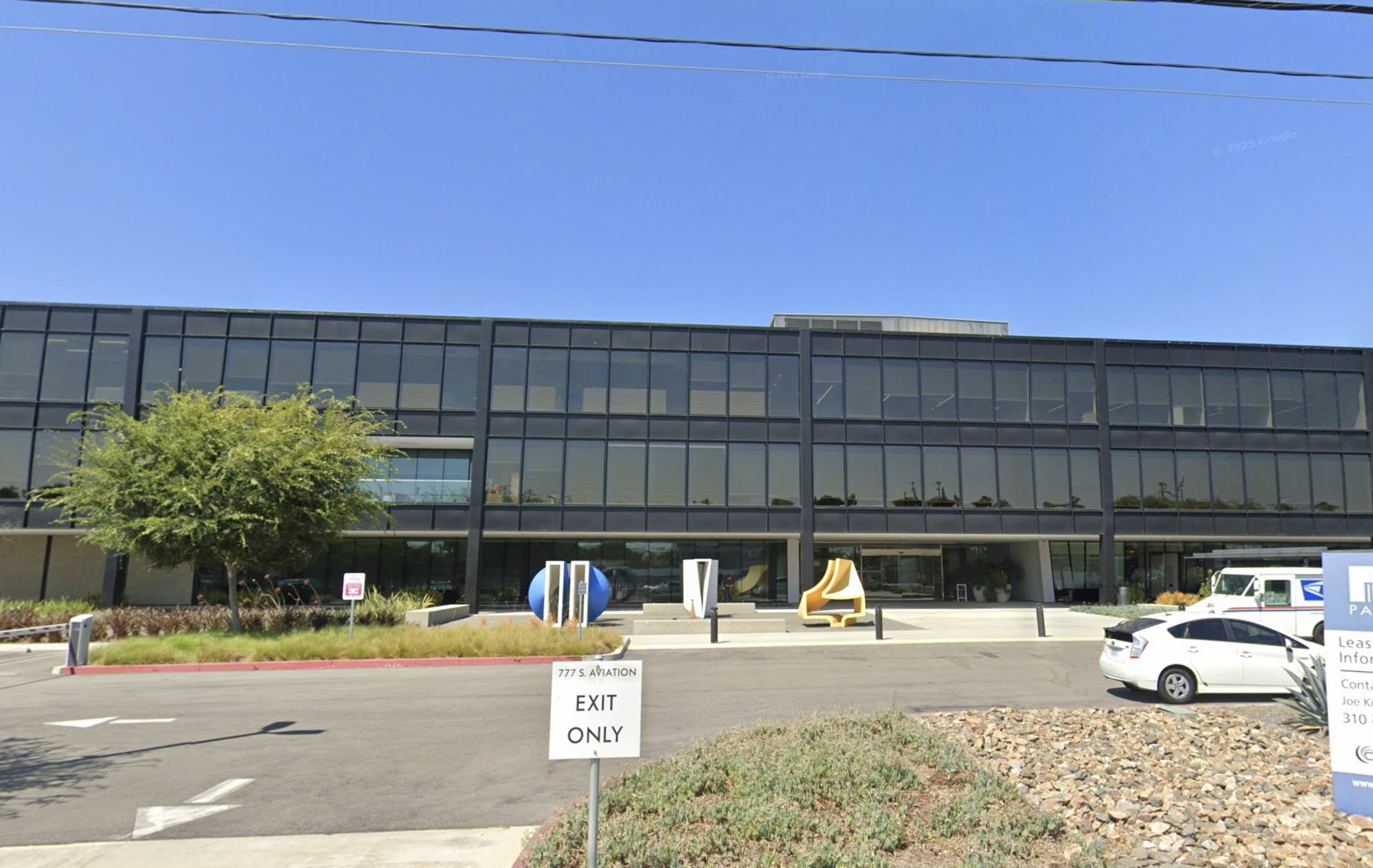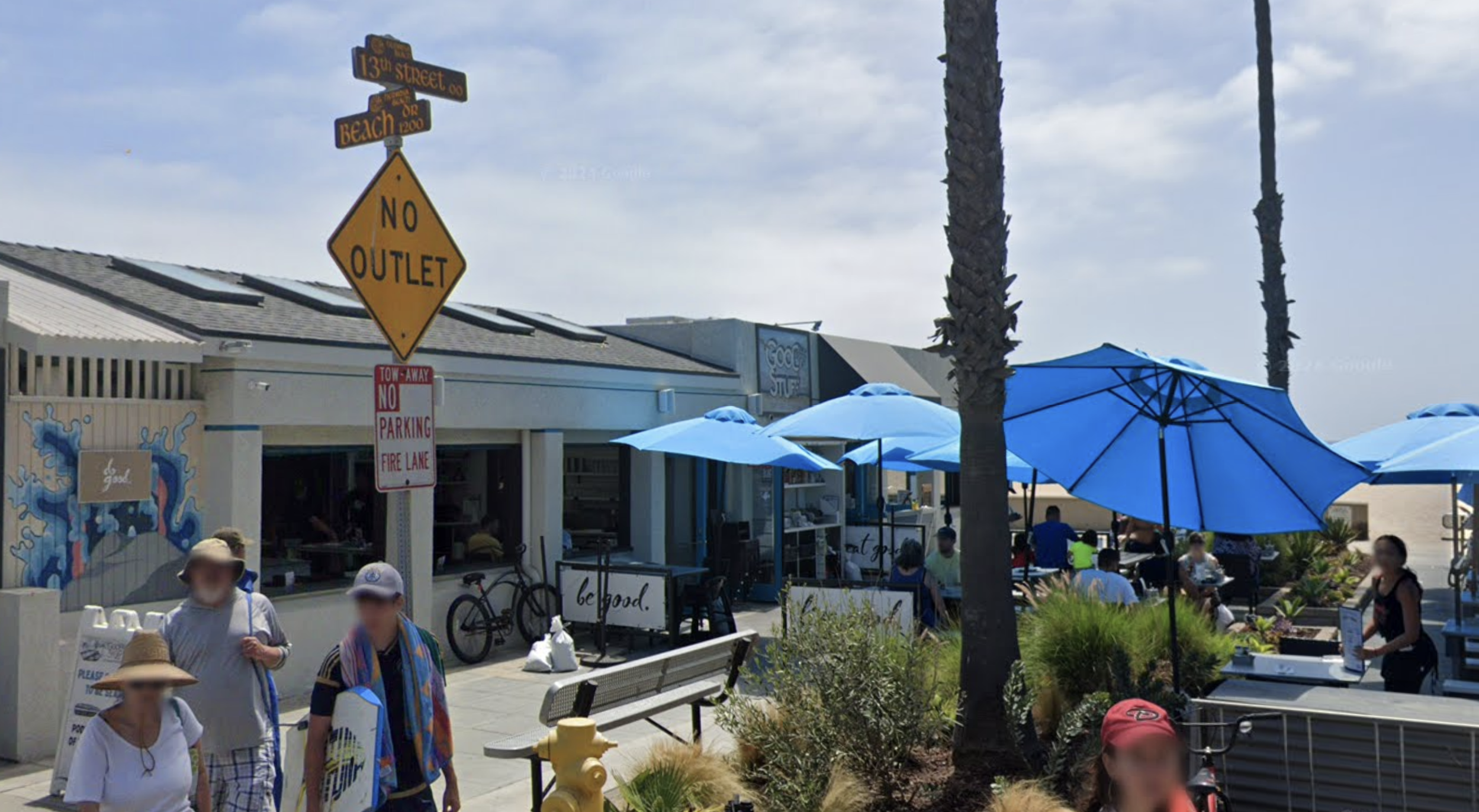
Redondo Beach can block housing projects on its coastline when they conflict with the city's certified coastal plan, a California appeals court ruled July 30.
The Second District Court of Appeal upheld the city's rejection of a 30-unit condominium project proposed for a coastal zone reserved for public access, boating and fishing services. The ruling, in New Commune DTLA LLC v. City of Redondo Beach, is the first appellate decision to address whether the state's builder's remedy housing mandate can override the California Coastal Act, according to a legal analysis by Perkins Coie published on JD Supra.
The answer: it cannot.
The court held that the Coastal Act's procedures and Coastal Commission oversight cannot be bypassed. That applies even when the goal is promoting affordable housing under the Housing Accountability Act (HAA), which the court called "laudable."
Developer Leo Pustilnikov's firm, New Commune DTLA LLC, applied in July 2022 to build a 141,000-square-foot mixed-use project with 30 condos, six of them affordable units. The proposed site sat within the city's Coastal Commercial-4 zone. The city's Local Coastal Program (LCP), certified by the Coastal Commission, allows only public access uses, coastal recreation and services supporting boating and fishing there. Residential uses are not permitted.
Pustilnikov's firm acknowledged the zoning conflict but argued the city had to approve the project as a builder's remedy because Redondo Beach lacked a state-certified housing element when the application was filed. The city declined to process the application and invited the developer to pursue LCP amendments that could change the site's designated use. The developer did not pursue that path and instead sued to compel approval.
The trial court denied the petition. The appeals court affirmed, finding the city met the legal standard under Government Code Section 65589.5(d)(3). That section allows denial of a housing project when the denial is required to comply with state law and no feasible alternative exists. Because the Coastal Commission certified the LCP, the court treated it as embodying state policy, according to a separate analysis by BBK Law.
The court also rejected the developer's proposed framework for evaluating builder's remedy projects against only a handful of Coastal Act policies, calling that approach "unworkable."
The ruling does not shut the door on all coastal housing. The Perkins Coie analysis noted the decision applies only where an LCP itself bars residential development. In coastal areas where an LCP allows housing, the builder's remedy may still apply if a city lacks a compliant housing element.
Pustilnikov has a history of development disputes with Redondo Beach. He purchased the roughly 50-acre former AES power plant site on Harbor Drive in 2020. His firm proposed a mixed-use development called One Redondo with up to 2,700 homes, a hotel and 22 acres of open space. The Redondo Beach City Council voted unanimously to reject that application in May 2023. A $120 million claim by Pustilnikov's group alleging the city ran a scheme to make the AES site undevelopable was dismissed with prejudice on March 30, meaning it cannot be refiled. Five other lawsuits between the developer and the city remained active as of Aug. 20, according to a California Collective real estate blog post.
Redondo Beach adopted a revised housing element in mid-May 2026 that the state has since certified. City Attorney Joy Ford said the city is no longer subject to builder's remedy under the new plan, according to the California Collective blog.
The appeals court signaled that any change to the balance between housing mandates and coastal protections would need to come from the state Legislature.