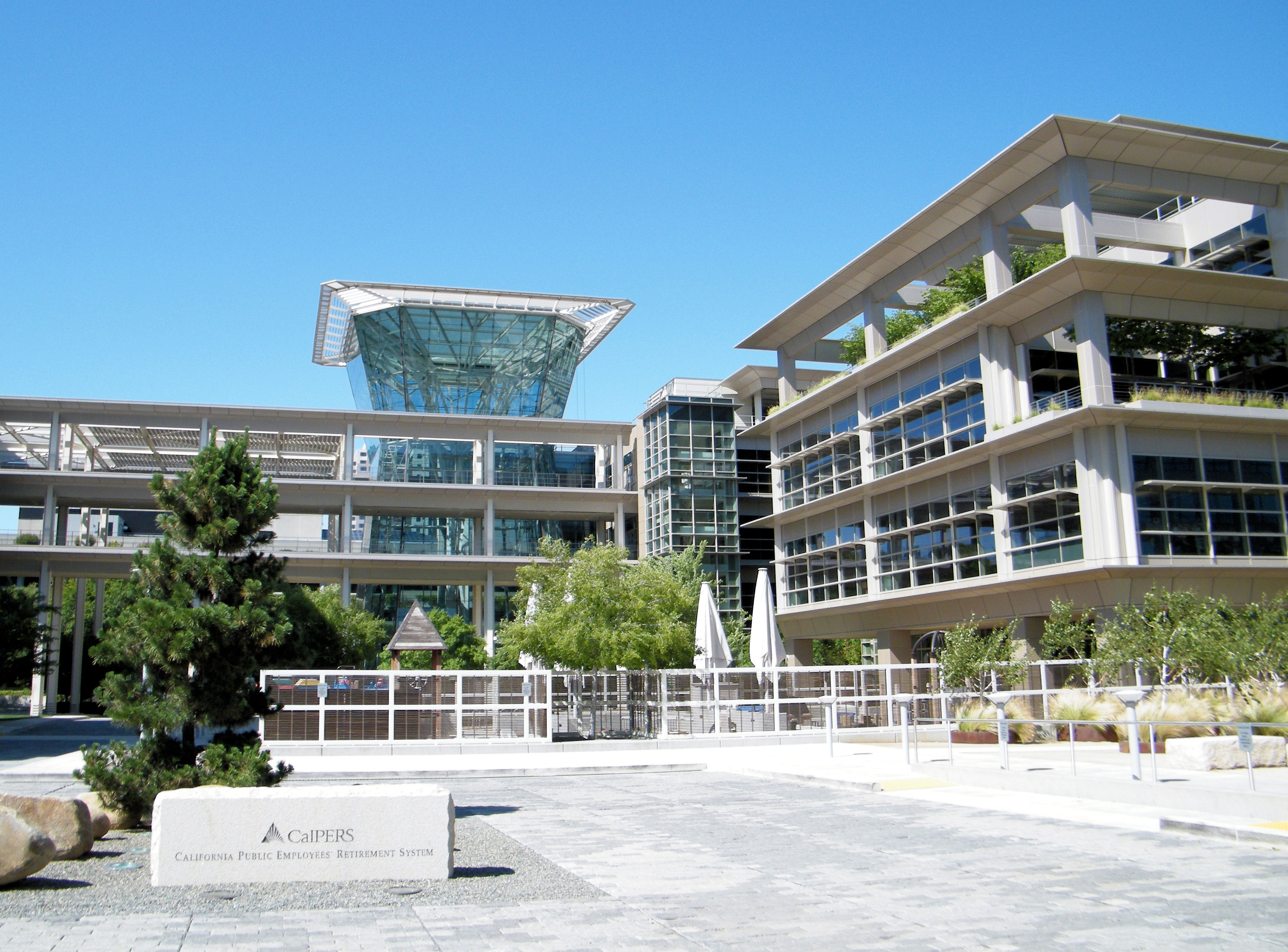
Hermosa Beach owes $58.2 million in pension debt to CalPERS, a sum larger than the city's entire annual general fund budget of roughly $49.8 million.
The figure, reported as of the June 30, 2025 measurement date, represents the single largest long-term obligation the city carries, according to an analysis published Saturday, July 19 by The Hermosa Review drawing on city financial data. The pension liability covers retirement benefits promised primarily to police officers and public works employees enrolled in the California Public Employees' Retirement System.
The city is already moving to address its fiscal gap. On Tuesday, June 23, the City Council voted 4-1 to direct staff to develop ballot language for a half-cent sales tax measure for the Tuesday, November 3, 2026 general election. If approved by voters, it would generate an estimated $2 million annually. Councilmember Dean Francois cast the lone dissenting vote.
Administrative Services Director Brandon Walker warned of the fiscal pressure at the June 23 council meeting: "We've been beneficiaries of a balanced budget the last few years. Tougher times are coming."
What the debt costs
The city's 2025-26 budget includes an added CalPERS unfunded-liability payment of $1,162,506. That money buys no new services, hires no new officers, and fixes no streets. It services debt for benefits already promised.
The liability has swung with market conditions: $59.4 million as of June 30, 2022, up to $63.3 million by June 30, 2024, then back to $58.2 million after CalPERS posted a preliminary 11.6 percent fund-level investment return for the fiscal year ending June 30, 2025. A single bad market year could reverse the improvement.
The budget squeeze
On June 23, the council unanimously adopted the fiscal year 2026-27 budget, closing a $3.2 million structural deficit by cutting approximately $4.5 million in spending. But the out-years remain unbalanced. The city's five-year outlook projects a cumulative shortfall of about $19.3 million against general fund reserves of only $10.6 million.
City Manager Steve Napolitano told the council that "doing nothing is no longer an option."
The cost drivers are stacking up: the Los Angeles County Fire contract is rising 26 percent over three years, adding roughly $1.8 million; police overtime runs near $1.18 million; and LA County wants Hermosa Beach to fund the full $4.9 million annual cost of lifeguard and beach maintenance services the county currently provides for about $400,000 a year. Recurring costs are climbing an estimated 4 to 6 percent annually while revenues grow only 2 to 4 percent.
How Hermosa compares
Hermosa Beach chose not to issue pension obligation bonds, unlike its neighbors. Manhattan Beach issued about $91 million in pension bonds in May 2021 and still owes roughly $77.7 million. Redondo Beach issued about $226 million in taxable bonds in 2021 and has seen its net pension liability climb back to roughly $42 million, for a total pension-origin debt of roughly $250 million.
Scaled to population, the three cities nearly converge: Hermosa Beach carries roughly $3,000 per resident, Manhattan Beach about $2,800, and Redondo Beach about $3,500. These are approximate figures based on financial reports measured on different dates.
One structural advantage: Hermosa Beach contracted fire protection to LA County in December 2017, sidestepping an entire class of the most expensive safety pensions in the CalPERS system.
What's next
Hermosa Beach voters have twice rejected sales tax increases. Measure B failed in November 2022 with 55 percent voting no. Measure HB failed again in November 2024 by an even larger margin.
Staff will present formal ballot language at the Tuesday, July 28, 2026 City Council meeting at 6 p.m. to meet the county's Friday, August 7, 2026 filing deadline.