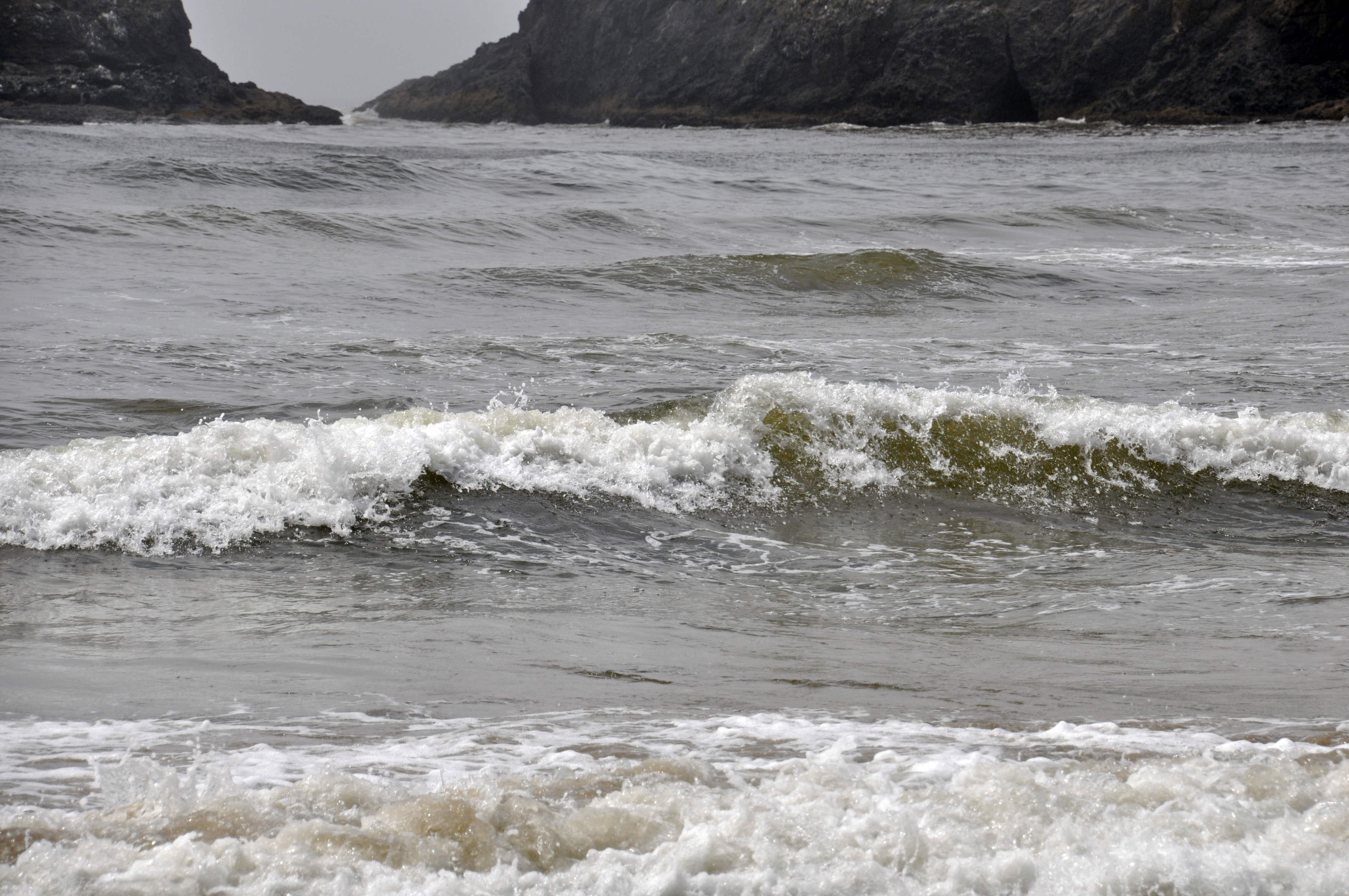
The National Weather Service extended a beach hazards statement for Los Angeles County beaches through 3 a.m. Friday, Oct. 23, citing dangerous rip currents and 3- to 6-foot surf.
The statement, issued Monday, Oct. 19, at 12:31 p.m., replaces an earlier advisory that had been set to expire Tuesday morning. South Bay shorelines fall within the statement's coverage of Los Angeles County beaches, along with Malibu and Ventura County coastlines.
The NWS expects breaking waves of 3 to 6 feet, particularly along south- and southwest-facing beaches. "There is an increased risk of ocean drowning," the agency warned, as reported by the Daily Breeze. Rip currents can pull swimmers and surfers out to sea, and waves can wash people off beaches and rocks, the NWS said.
The weather service urged beachgoers to stay out of the water or remain near occupied lifeguard towers. Rock jetties are especially dangerous.
Minor beach erosion and tidal overflows may also occur on south-facing beaches, according to the statement.
The extended hazard window overlaps with wet weather headed for Southern California. The NWS said a low-pressure system moving south along the coast will bring cooler temperatures ahead of rain that could begin as early as Tuesday night, Oct. 20. Showers are expected to become more widespread overnight Wednesday into Thursday, with some areas receiving up to 2 inches of rain, the Daily Breeze reported.
The statement follows a summer of heavy lifeguard activity in the South Bay. L.A. County Ocean Lifeguard Specialist Jake Miller told MB News in October that Manhattan Beach recorded 2,428 ocean rescues over the summer, nearly one in four of the county's 10,426 total. World Cup crowds, high temperatures and rough surf drove the busy season, MB News reported.
As of early October, lifeguards were still monitoring after-effects from Hurricanes Odalys and Polo, which brought increased wave energy and stronger rip currents to county beaches.
Residents planning beach visits through Friday, Oct. 23, should check conditions with local lifeguard stations before entering the water.