The January 2025 Palisades and Eaton fires released lead into soil across Los Angeles County, but fire-related contamination in Southern California coastal waters, including the stretch fronting South Bay beaches, returned to typical levels within months, according to findings USC researchers released Tuesday, Aug. 4.
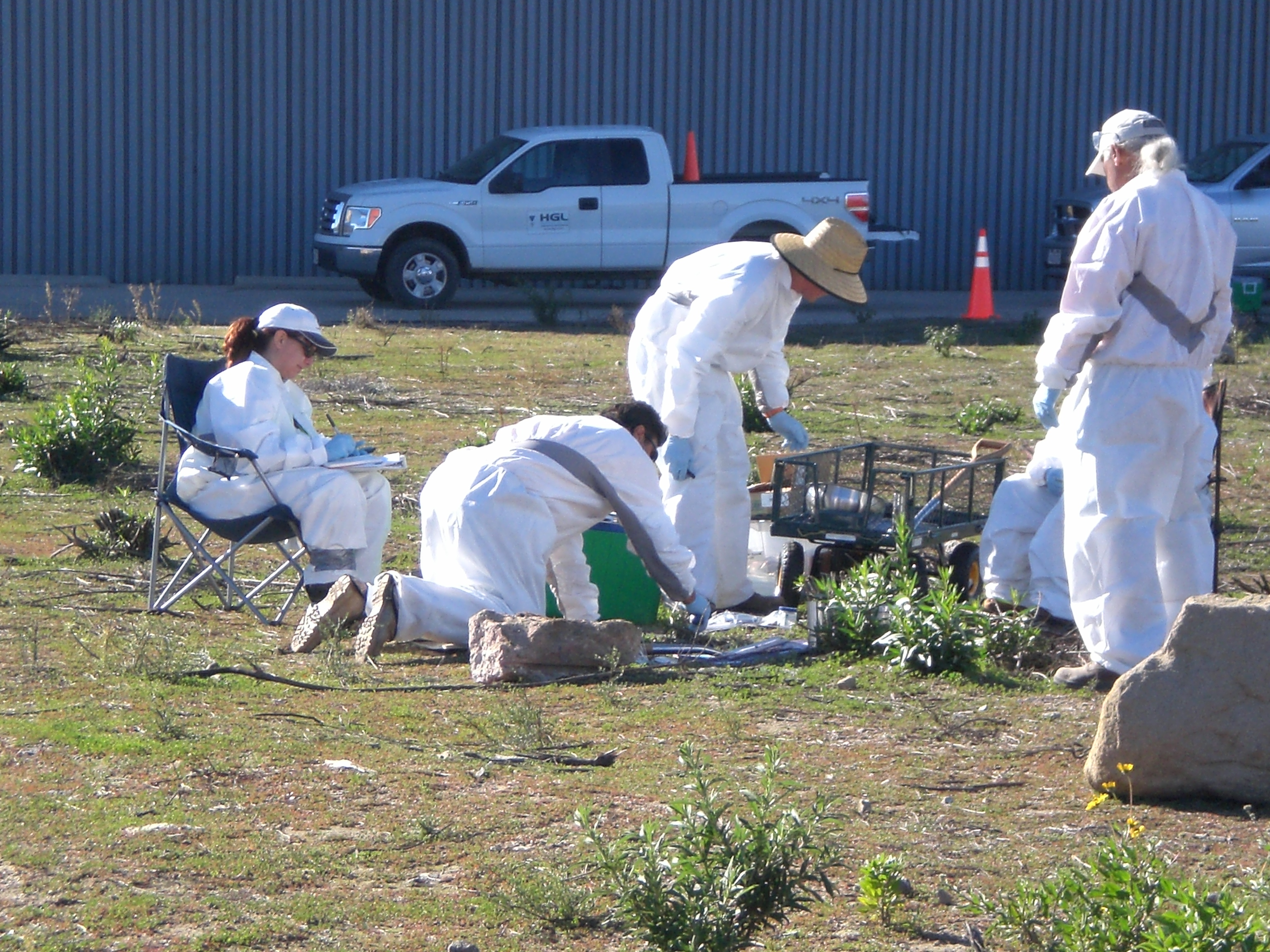
USC's CLEAN project (Contaminant Level Evaluation and Analysis for Neighborhoods) analyzed more than 6,000 soil samples from across the county and more than 900 seawater samples from the Southern California coast. More than 3,000 LA County households submitted soil from their own yards for testing.
The good news for beachgoers: the CLEAN Waters team, led by USC Dornsife assistant professor Noelle Held, found that while nutrients, metals and hundreds of fire-related compounds spiked in coastal waters in the weeks after the fires, most returned to typical levels within several months.
"The fires left a clear signal in the ocean, but it wasn't a permanent one," Held said in a statement. "... This kind of sustained monitoring helps us distinguish the impacts of a single disaster from the pollution our coastal ecosystems face every day."
The soil picture is more complicated. Researchers confirmed the fires deposited lead in the environment, but older contamination sources, particularly deteriorating lead-based paint from aging homes, make it hard to separate fire-related lead from what was already there.
Lead concentrations varied sharply even within individual properties. On average, one soil sample from a yard contained about twice as much lead as another sample taken just a few feet away. That variation was even greater inside burn zones.
"Every property is different," said Josh West, USC Dornsife professor of earth sciences and the project's principal investigator. "Lead levels can vary substantially even within a single yard, so testing your own soil remains the best way to understand potential exposure."
The study found no evidence of widespread post-fire contamination from arsenic, mercury or hexavalent chromium, metals that had raised public concern after the fires.
What South Bay residents can do
A university-community partnership called CONSORTIUM has published a home and yard guide at consortium-science.com with steps residents can take to evaluate and reduce contamination exposure where they live, work and spend time outdoors.
USC said testing and monitoring will continue as affected communities rebuild. Residents can sign up for updates and submit their own soil samples through the CLEAN project website at public-exchange.org/usc/project/soil-testing/.