South Bay beach cities stand to gain fast-tracked seawall permits and pre-positioned flood supplies after Gov. Gavin Newsom declared a statewide emergency Monday, Sept. 21, ahead of a potentially record-breaking El Niño.
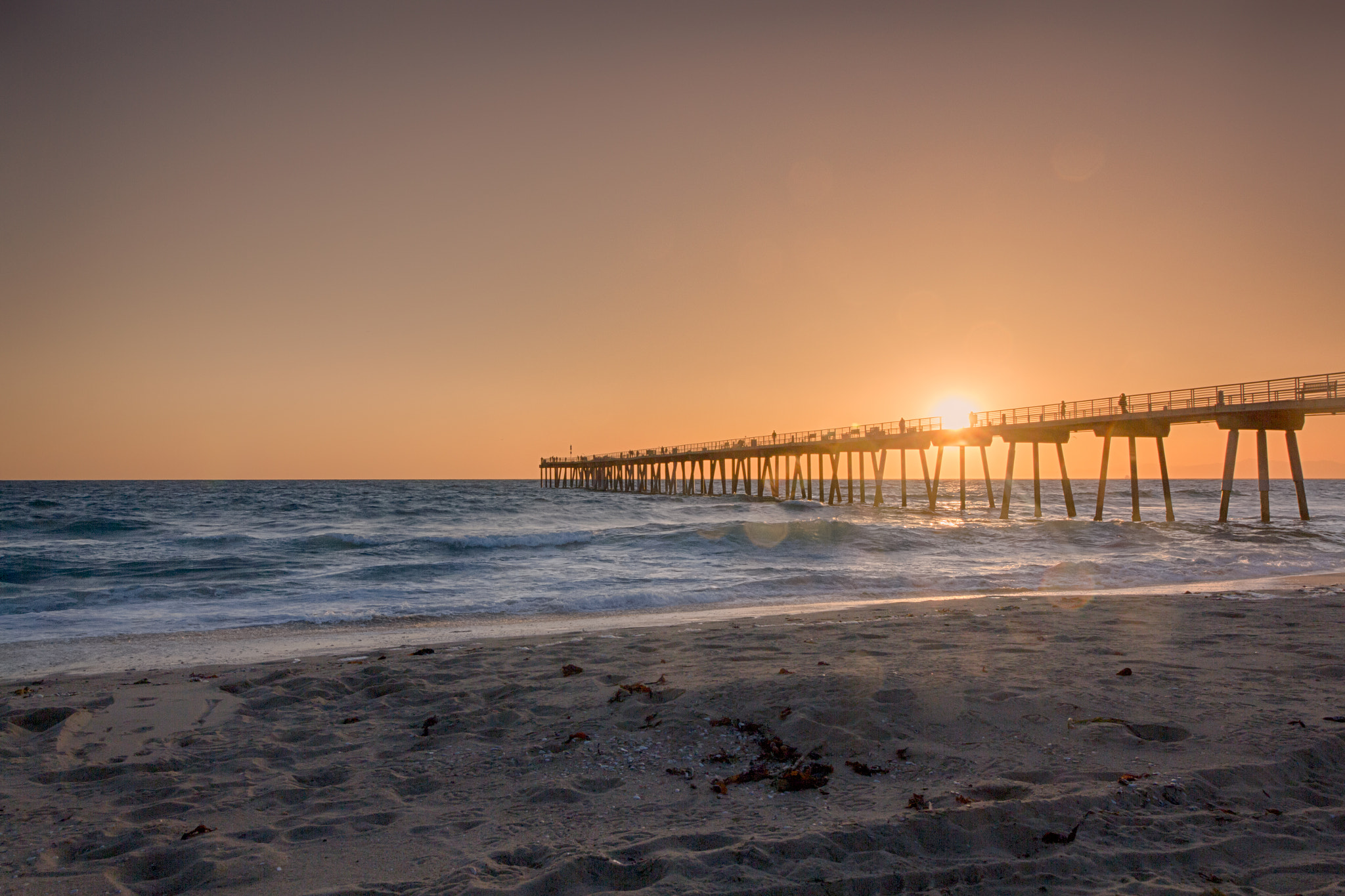
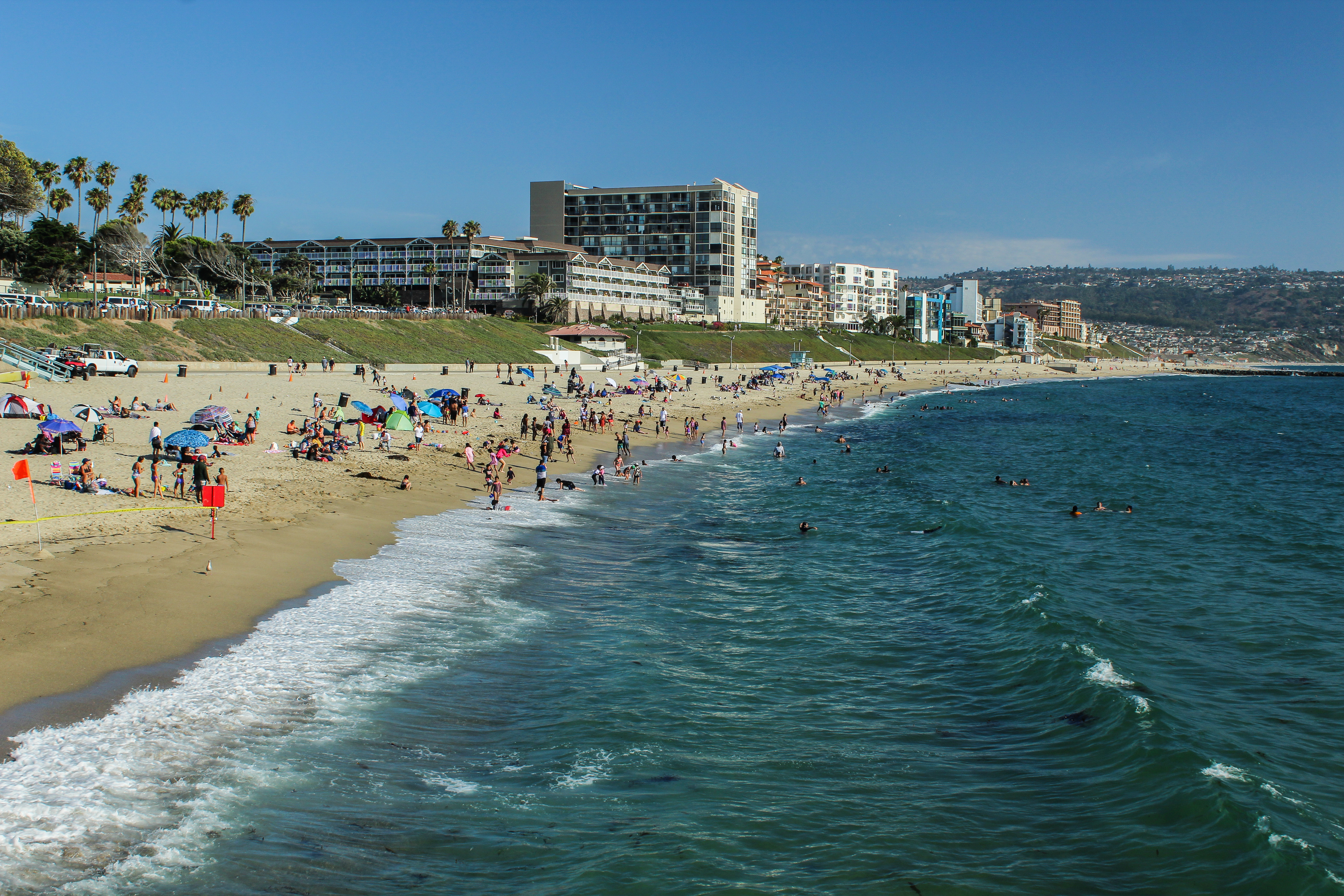
The proclamation cites "conditions of extreme peril to the safety of persons and property" and invokes Government Code section 8558(b). It covers all of California, including the South Bay's beachfront cities, which face elevated risks of coastal flooding, beach erosion and storm surge this winter.
For Manhattan Beach, Hermosa Beach and Redondo Beach residents, the declaration accelerates state help that was not available under county-level preparations alone. The California Coastal Commission must now respond to permit applications within five days, schedule hearings at its next meeting and act on emergency permit requests within 24 hours. That fast-tracked permitting could matter for seawall repairs, sand replenishment or other protective work along the South Bay coastline.
What the state is doing
The Department of Water Resources will procure and pre-position flood-fight supplies including sandbags, riprap, plastic sheeting and pumps statewide, according to the governor's office. Caltrans must identify at-risk highways, bridges and drainage facilities and pre-position road-closure and snow-removal equipment. A prioritized list of at-risk projects is due to the Governor's Office of Emergency Services (Cal OES) within 30 days.
The California National Guard has been directed to identify personnel and equipment for potential activation, including high-water vehicle operations, aviation search-and-rescue and flood-fight support.
The proclamation also suspends competitive bidding requirements so state agencies can quickly contract for materials and services.
The forecast
NOAA's Climate Prediction Center reported Aug. 13 a greater than 90% chance of a very strong El Niño during fall and winter 2026–2027. The agency projected a 69% chance the event will reach historic strength, exceeding every El Niño since 1950.
The Los Angeles Times reported that a 98% chance exists of a "very strong" El Niño for the three-month period ending in December. An El Niño-influenced "coastally trapped Kelvin wave" is moving up the coast of Mexico and is expected to reach the U.S. West Coast soon.
South Bay already feeling effects
The coast has already taken hits. High surf from Hurricane Marie pounded the Southern California coastline from Malibu to San Diego in early September, and at least 24 homes in Long Beach were put under evacuation orders. Laguna Beach, Dana Point and Carlsbad declared local emergencies citing coastal erosion and sand loss.
Warren Ontiveros, deputy director of the L.A. County Department of Beaches and Harbors, told the Los Angeles Times that a distant hurricane "ate away, I want to say, 50 or 60 feet of sand" at Point Dume Beach in Malibu, reaching the roadway.
Winter will be worse.
U.S. Geological Survey research geologist Jonathan Warrick warned in an Aug. 31 report that the coast faces a compounding threat. "We're seeing exceptional erosion in those places, and one of the concerning things is that we most likely will have larger waves this winter," Warrick told the Times.
The 2015–16 El Niño produced beach erosion 76% higher than normal across many California beaches, the Times reported. The record-strong 1982–83 event wrecked the piers in Santa Monica and Seal Beach.
What's next
Cal OES Director Caroline Thomas Jacobs said in the governor's announcement that the state is not waiting for storms to arrive. State environmental and natural resources agencies must submit a joint recommendation to the governor by Friday, Oct. 16, on whether further emergency action is needed.
No South Bay city has announced a local emergency declaration or specific preparedness measures as of Sept. 21. Residents can sign up for emergency alerts through their city's notification system and monitor updates from the National Weather Service Los Angeles office.