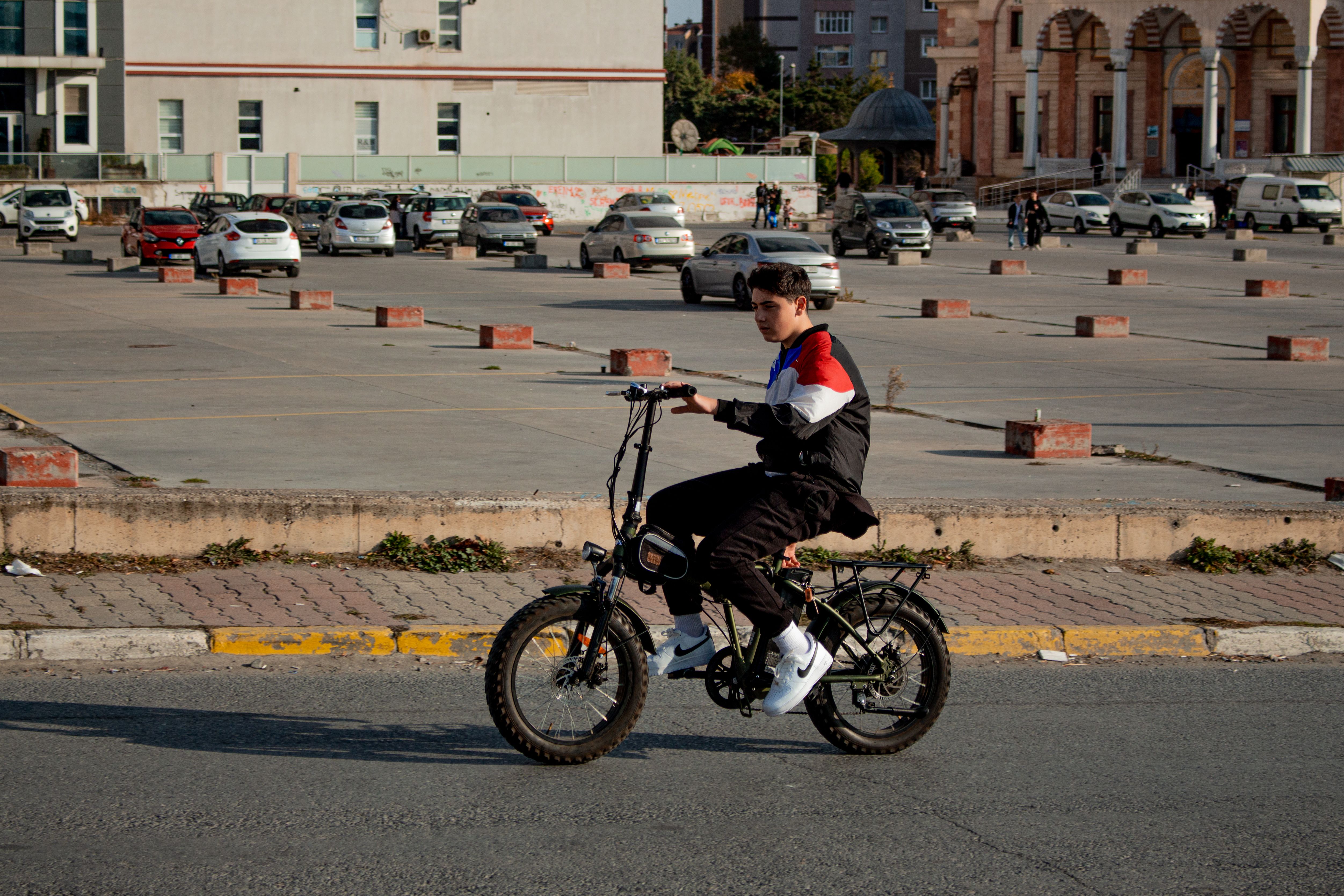
South Bay hospitals are treating three to four children per day for e-bike injuries this summer, and Manhattan Beach sits at the center of the crisis.
Children's Hospital Los Angeles named Manhattan Beach and Redondo Beach among the Southern California cities with the highest concentration of young e-bike riders in an Aug. 3 press release. Both cities are now working with their police departments to develop online safety trainings focused on speed limits and road rules for teen riders, according to Helen Arbogast, director of CHLA's Injury Prevention Program.
The Manhattan Beach Police Department has not independently confirmed details of the training program or a launch date.
The numbers are stark. CHLA treated 10 children for e-bike injuries in all of June 2025. This summer, the hospital sees roughly one per day. South Bay hospitals are logging three to four times that rate.
"The most common injuries we're seeing are the ones that are most jarring," Arbogast said. "They're motorcycle-type injuries — concussions, fractures, internal traumas, traumatic brain injuries — that should not be the reality for young children."
The largest share of crashes involves riders ages 14 to 17, but CHLA is treating children as young as 11. Dr. Ryan Spurrier, CHLA's director of trauma surgery, told ABC7 the hospital projects a 700% increase in pediatric e-bike injuries compared to three years ago. He called the trend a "pediatric health emergency."
What MBPD is doing
The Manhattan Beach Police Department is among the local agencies developing online safety courses with CHLA, Arbogast said. The name of the training platform has not been publicly announced. Some Southern California high schools already require students to complete an online safety course before parking an e-bike on campus.
CHLA's Injury Prevention Program also hosts bike rodeos at local schools where students can bring their bikes and practice safe riding, and provides sample helmets and educational materials.
What parents and teens should know
California law divides e-bikes into three classes: Class 1 (pedal-assist, up to 20 mph), Class 2 (throttle, up to 20 mph) and Class 3 (pedal-assist, up to 28 mph). Riders must be at least 16 to operate a Class 3. All riders 17 and younger must wear a helmet.
But standard bike helmets are only crash-tested to 14 mph. CHLA recommends helmets with NTA 8776 certification, tested to 28 mph, ideally with MIPS (multi-directional impact protection) technology.
The Consumer Product Safety Commission says no child under 9 should operate an e-bike, and children 9 through 12 should not ride anything motorized above 10 mph. Arbogast goes further: she recommends no child under 12 ride any motorized device and says even responsible teens under 16 lack the driving experience to handle high-speed e-bikes around traffic.
Visibility and distraction matter too. Arbogast warned against carrying passengers or looking at phones while riding.
Broader push on regulation
The Los Angeles City Council Rules Committee passed a motion Wednesday, Aug. 5, directing the Department of Transportation to explore new e-bike regulations, including possible bans on speed modifications and mandatory safety education for riders under 18, according to the Los Angeles Times. That measure heads to the full City Council next.
Residents who witness unsafe e-bike riding in Manhattan Beach can contact MBPD's non-emergency line.