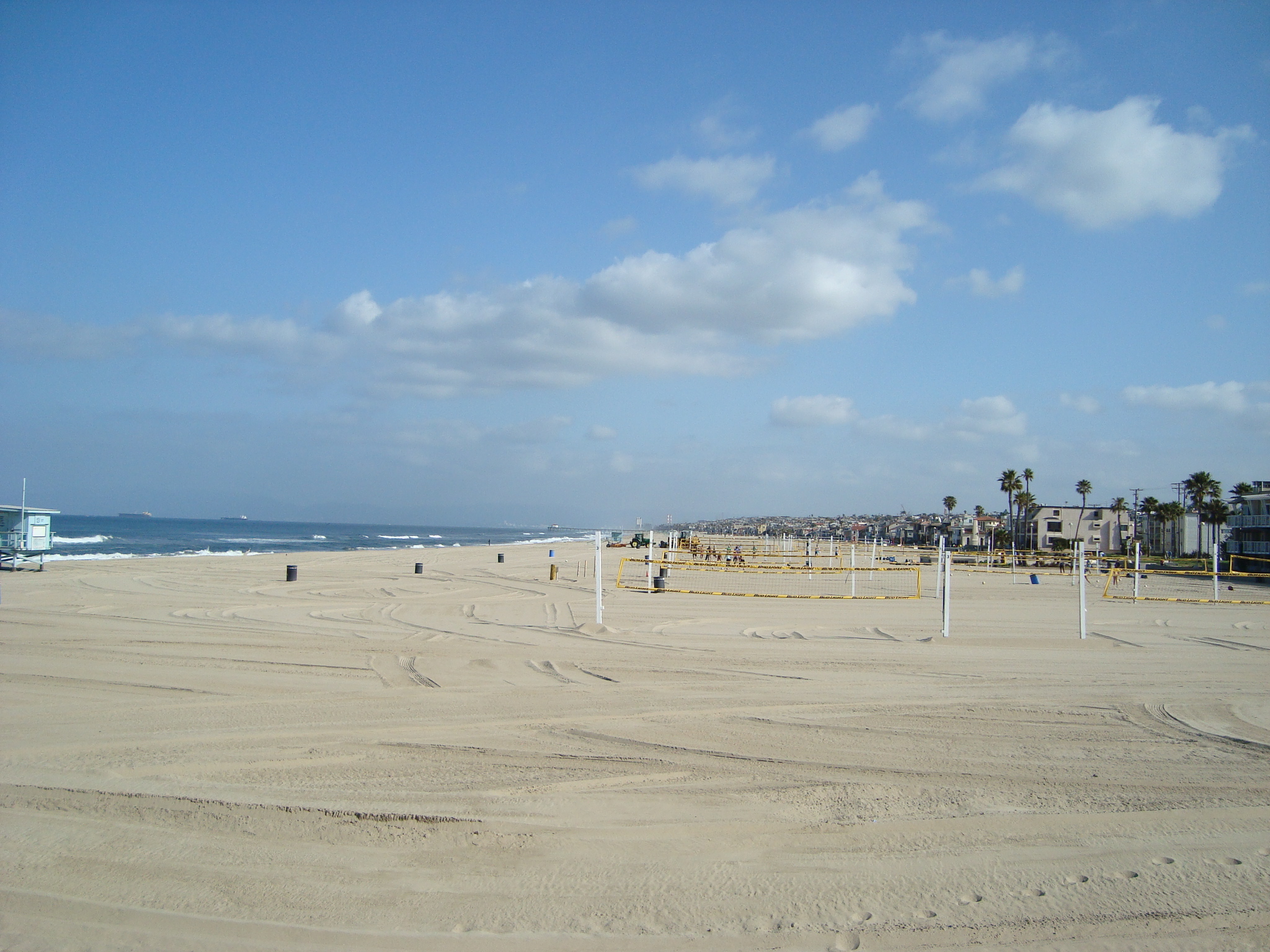
Hermosa Beach's volunteer court stewards packed a commission meeting Tuesday, Aug. 4, hours after learning the city planned to vote on rules for the 75 beach volleyball courts they've maintained for decades.
The Parks and Recreation Advisory Commission voted to continue the proposed court use policy to Tuesday, Sept. 1 after the contentious hearing drew fierce pushback from players, coaches and longtime volunteers who said the five-year drafting process cut them out entirely. Commissioners Elka Worner and Todd Tullis abstained, unwilling to endorse the staff findings or the process that produced them.
The policy, first reported by the Hermosa Review, would formalize a Court Liaison Program for residential-zone volunteers, set standards for personalization and public art on courts, address commercial branding on nets and potentially strike the words "for compensation" from the municipal code. That last change would let the city cite unpermitted instruction without proving anyone was paid.
Parks and Recreation Manager Brian Sousa presented the draft, filling in for absent Director Lisa Nichols. He cited liability as the primary rationale, saying a public facility without adopted rules subjects the city to potential litigation and risk. Direction to produce the policy, he said, came from at least two city managers.
Five years, then same-day notice
The subcommittee that produced the policy was appointed Oct. 5, 2021. That appointment is the only entry in the staff report's table of past commission actions.
Dan Cavanaugh, a court steward for four Hermosa Beach courts, told the commission he volunteered for the original committee, attended two meetings, then heard nothing for years. "Imagine how surprised I was when I found out that this work was going on, but just without the input of this committee," Cavanaugh said.
Public notice went out the morning of the meeting itself.
Commissioner Barbara Ellman, who served on the 2021 subcommittee, apologized from the dais, calling the noticing unprofessional and unfair. But Ellman drew a hard line on commerce, saying she does not believe a public beach is a place for someone to decide to make a living.
Complaint data thin
Vice Chair Tullis pulled GoHermosa complaint records from 2019 through July 2025 and found exactly two reports of unpermitted volleyball activity. One was filed by Sousa himself.
Staff countered that the department has addressed more than 30 known cases in recent years but acknowledged not all complaints come through GoHermosa. When asked how many citations had been issued in five years, staff had no number.
Sousa confirmed the policy itself is not citable. Only the municipal code is enforceable, and Parks and Recreation has no authority to write citations.
Compromise and what's next
Tournament organizer Mark Paaluhi proposed the compromise the commission largely adopted: restart the subcommittee, set basic rules, rebuild the liaison roster, then take up coaching and camps separately.
Commissioner Tom Moroney moved the continuance but warned against treating delay as a win, noting that commercialization, large tournaments and flags on the courts have all increased in the five years since the subcommittee was created.
Raymond Dussault, who has organized a free Fourth of July volleyball potluck for more than a decade, argued the policy doesn't distinguish neighborhood gatherings from commercial operations. The city's own 2022 survey found volunteers spending $200 to $300 a year out of pocket to maintain their courts, some for more than 30 years.
Because the commission cannot block the item from reaching City Council, the policy fight moves next to the Tuesday, Sept. 1 commission meeting at 6 p.m. at Hermosa Beach City Hall.