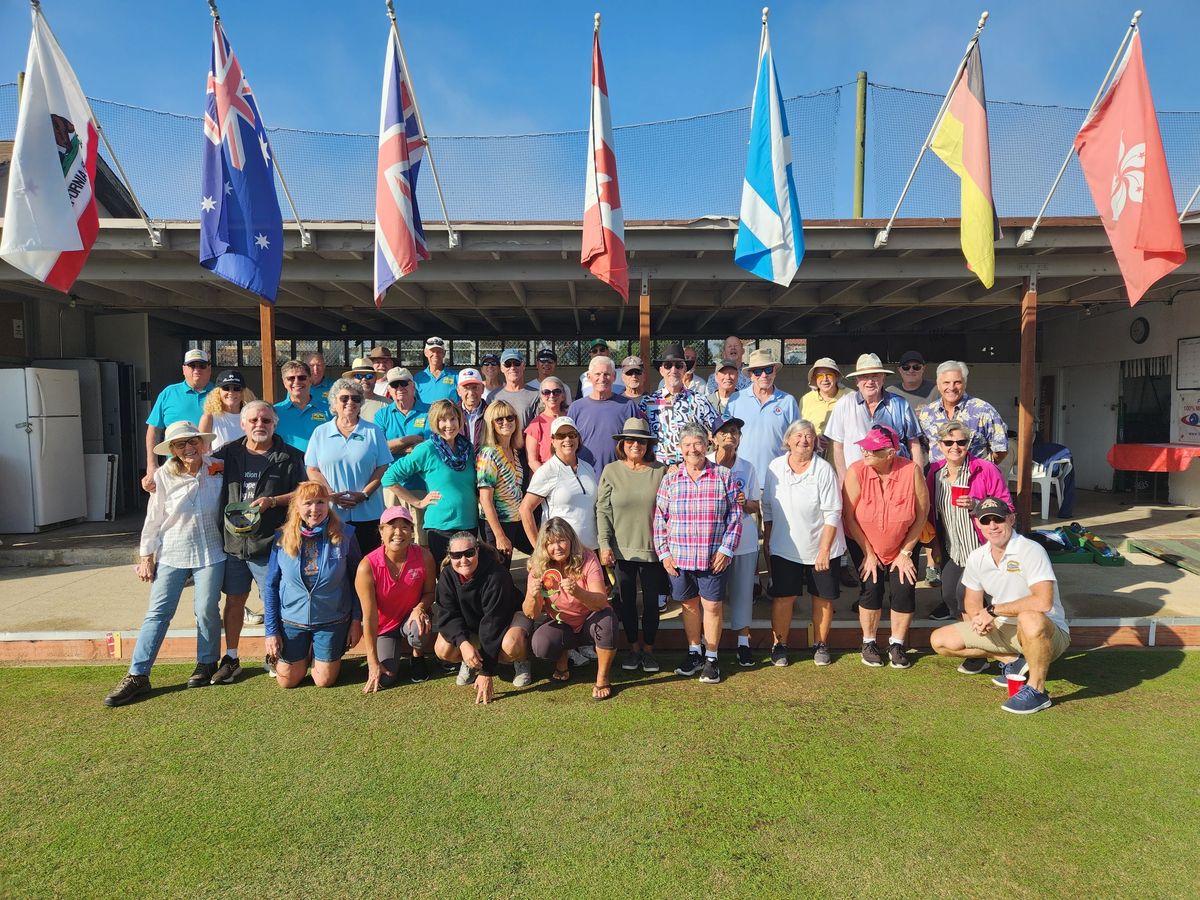
The Hermosa Beach Lawn Bowling Club will keep its green at the Clark Complex after the city's Parks and Recreation Advisory Commission voted 5-0 on Wednesday, Aug. 5, to recommend continuing and potentially expanding lawn bowling at the 91-year-old facility.
The vote followed testimony from club members who urged the commission to preserve the green, according to the Hermosa Review. The motion, moved by Vice Chair Todd Tullis and seconded by Commissioner Barbara Ellman, directs staff to summarize the commission's feedback for the City Council as "generally consistent with continuing and potentially expanding lawn bowling usage."
The review was triggered by Councilmember Raymond Jackson, who in June 2025 directed staff to report on the club's operations, membership, maintenance and legal standing. On July 28, the Council approved a one-year agreement with the club and asked the commission for feedback on the facility's future.
Club members make their case
Karen Shore, a 23-year Hermosa Beach resident and three-year club member, spoke on behalf of the club. She described members who bowled their way back from a stroke and a woman who had polio as a child, for whom lawn bowling was the first sport she was ever able to play. Shore told commissioners the sport pits young against old, newbie against pro, and that anything can happen on any given day.
The competitive credentials are real. Hermosa resident Inger Benson finished third in singles at the 2024 USA National Championships in Milwaukee and is scheduled to compete in women's pairs at the September 2026 Bowls USA national playdowns. The club's annual Allcomers Tournament, set for Sept. 5–7 over Labor Day weekend, drew 56 of the country's top bowlers last year.
Charles Moffitt, 84, an officer of the Southwest Division of Bowls USA, told the commission his division spans 2,000 members across 26 clubs from the Mexican border to San Luis Obispo. Eighty-five percent of California's lawn bowlers are 65 or older, he said.
Moffitt's wife, 73, is an architect who bowls three days a week. She lost sight in her right eye to brain cancer, has two replacement knees, a replacement hip and a heart condition. "She is a lean, mean bowling machine," Moffitt told commissioners.
He closed by drawing on his experience as a former deputy mayor of Los Angeles, telling the commission that the measure of a recreation program is not just participation numbers but the effect it has on people's lives, and that active programs for older adults can be life-saving.
Commissioners push for visibility
Commissioner Tom Moroney acknowledged alternatives floated for the site, including a dog park and a long-sought municipal pool, but said he was not convinced any of them would be better than what is already there.
He and Ellman both called for the club to present annually to the commission. Ellman said she would ask the City Manager and City Council to mandate the reporting requirement. She also defended the Council's right to have raised the question, saying the commission itself had failed to stay informed about groups using city space.
Chair Tracy Horowitz noted the club has drawn scrutiny partly because the city rarely hears from it, and identified untapped revenue in rentals and classes. Vice Chair Tullis suggested the green could also host senior tai chi, yoga, cornhole or croquet without damaging the surface.
The city purchased the Clark Complex land in 1933 for park and recreation use. The green was named for former Mayor John Clark, who advocated for the park and contributed his own money to install it. The first tournament was held in 1935.
The clubhouse needs urgent repairs, though no cost estimate has been released. The commission's recommendation now goes to the City Council; no date for that hearing has been announced.